Galungan and Kuningan Day: Meaning, Traditions, and Celebrations in Bali
Garuda Wisnu Kencana
2026/06/17 - 2026/06/27
57
Galungan and Kuningan Day
Galungan and Kuningan are two of the most important religious celebrations for Hindus, especially in Bali. These sacred days symbolize the victory of Dharma (good) over Adharma (evil) and serve as a meaningful time to strengthen spiritual connections with ancestors.
The Meaning of Galungan
Galungan is celebrated every 210 days according to the Balinese calendar. On this day, it is believed that ancestral spirits descend to visit their families on earth.
Galungan represents the triumph of righteousness within oneself. Hindus perform prayers at temples and homes, offering various ceremonial items as an expression of gratitude.
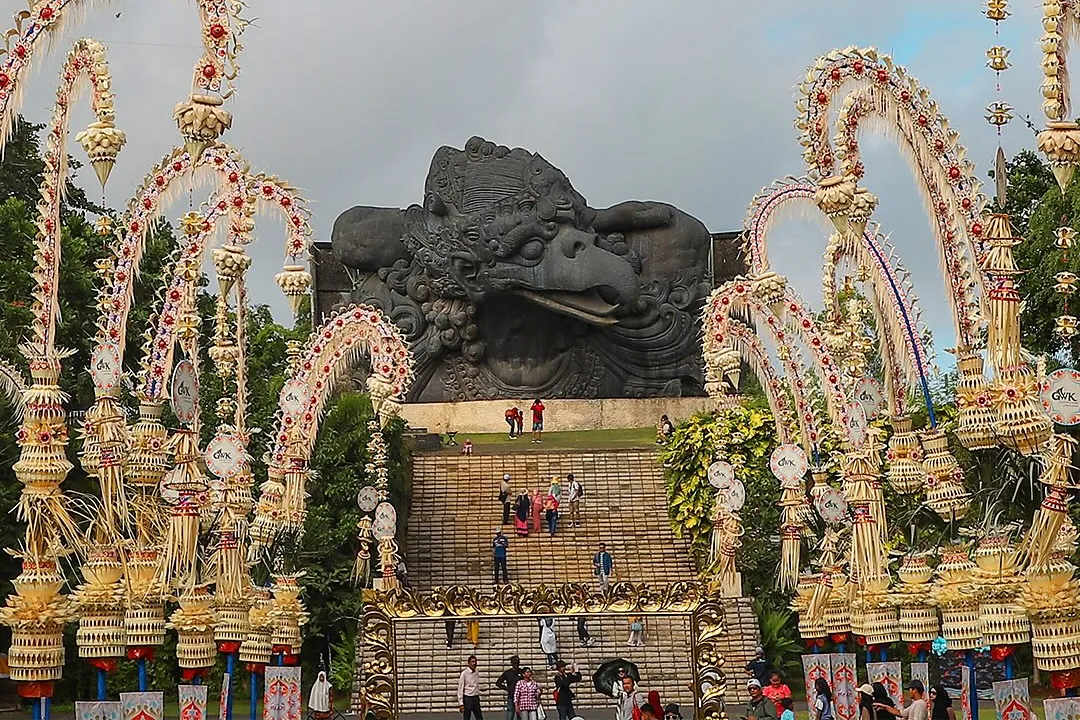
One of the most iconic symbols of Galungan is the penjor—a beautifully decorated bamboo pole adorned with coconut leaves, agricultural products, and ornaments, symbolizing prosperity and devotion to God.
Kuningan Day
Kuningan is celebrated 10 days after Galungan. On this day, ancestral spirits are believed to return to the spiritual realm.
Hindus perform final prayers and offerings as a farewell gesture to their ancestors. The offerings on Kuningan are typically dominated by yellow elements, such as yellow rice, symbolizing prosperity, blessings, and gratitude.
During Galungan and Kuningan, Bali transforms into a vibrant cultural landscape:
- Streets are lined with beautifully decorated penjors
- Increased prayer activities at temples
- Families gather and visit one another
- Visitors can witness authentic Balinese culture and spiritual life
Galungan and Kuningan are not only religious celebrations but also a rich cultural heritage of Bali. Through these sacred days, values of harmony, gratitude, and righteousness are preserved and passed down through generations.